Feb 18, 2026
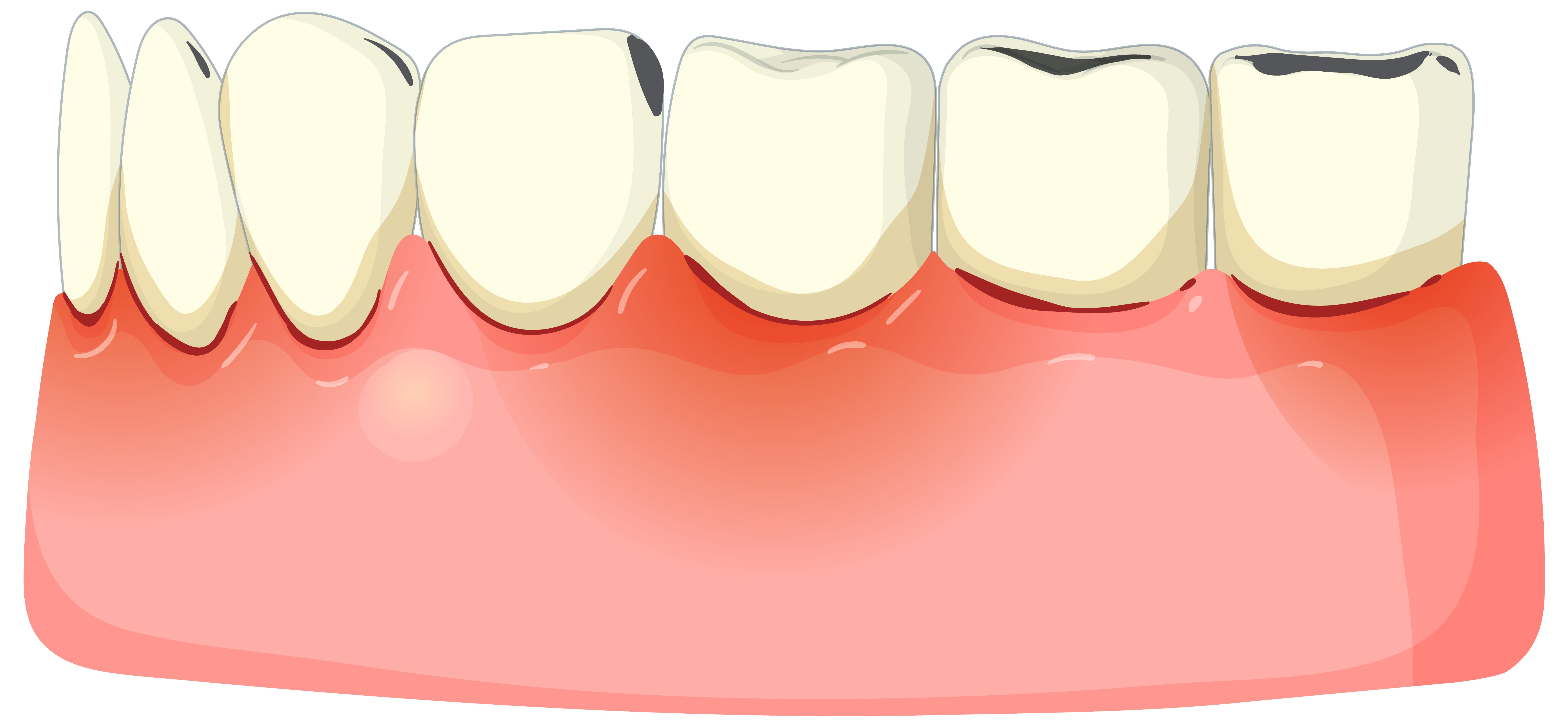
Gum recession is one of those dental problems that often sneaks up quietly until you suddenly notice your teeth looking longer or feel a sting of pain while brushing. It happens when the gum tissue surrounding your teeth starts to wear away or pull back, exposing the sensitive roots underneath.
While it may start off small, untreated gum recession can lead to serious oral health issues like tooth sensitivity, gum infection and even tooth loss. The tricky part? Most people don’t realize it’s happening until the damage is already visible.
But here’s the good news with the right care, awareness and timely treatment, gum recession can be controlled and even reversed. In this blog, we’ll walk you through everything you need to know from early symptoms and common causes to effective treatment options that help restore your gums and protect your smile for years to come.
Understanding Gum Recession
Gums are the main defenders of the teeth and are responsible for holding them tightly. Once this defensive layer is going back, the roots are left exposed as they are the parts that are not covered by enamel and are very sensitive to temperature changes, bacteria and decay.
Any person can get this disease but statistically, it is more probable for adults over 30 years to get it. The main thing is to recognize it at the very beginning and getting support from a reliable dental clinic in Calicut or dental clinic in Kochi, before it gets worse.
Recognizing Gum Recession Symptoms
Because the gum recession happens gradually many people overlook the early warning signs. Here’s what you should look out for:
Tooth sensitivity: Sharp pain when eating or drinking something hot, cold or sweet.
Longer-looking teeth: Gums pulling back make teeth appear uneven or elongated.
Visible roots: You may see darker areas near the gum line.
Red or swollen gums: Inflammation can indicate gum irritation or infection.
Bleeding during brushing or flossing: A sign that your gums are under stress.
Bad breath: Persistent odor even after brushing can point to bacterial buildup.
Loose teeth: Severe gum recession weakens the foundation that holds teeth in place.
If you notice any of these gum recession symptoms then don’t wait. Early consultation and professional guidance can make a big difference in preserving gum health.
Common Gum Recession Causes
Gum recession can be caused by a variety of factors, some of which are within your control while others may require a visit to the dentist. Knowing the gum recession causes can assist you in taking the right preventive measures in advance.
1. Poor Oral Hygiene
If you skip brushing or flossing, there is nothing to prevent plaque and tartar from building up on teeth which leads to gum irritation and the gums pulling away from the teeth.
2. Brushing Too Hard
Do not use a hard toothbrush nor put excessive pressure on teeth as it will damage your gums instead of cleaning them; the wear will come from the sides of your gums.
3. Gum Disease (Periodontitis)
It is the most significant factor that leads to the loss of the gums. Infections make apis tissue and the surrounding jawbone to get damaged, resulting in the formation of pockets that contribute greatly to the loss of gums.
4. Misaligned or Crooked Teeth
When teeth are not properly aligned, they exert uneven pressure on the gums and bone which eventually leads to gum wear.
5. Tobacco Use
Whether smoking or chewing tobacco, the by-products cause a shortage of oxygen in the blood vessels of the gums and thus slow down the recovery process and at the same time increase the chance of occurrence of gum diseases.
6. Hormonal Fluctuations
Gums may become extremely sensitive during pregnancy, menstruation or menopause and thus more likely to recession.
7. Teeth Grinding (Bruxism)
Grinding non-stop is basically putting very heavy pressure on teeth and gums and thus wearing down of the tissue is gradual.
8. Genetic Factors
Some people are born with naturally thin gum tissues which makes them highly susceptible to gum recession even if they follow good oral hygiene practices.
Gum Recession Treatment Options
Once diagnosed, your dentist will suggest the right gum recession treatment based on its severity. Treatments can range from deep cleaning to advanced surgical procedures.
1. Professional Deep Cleaning (Scaling and Root Planing)
It is the removal of plaque and tartar that have built up under the gums by a non-surgical method. The roots are made smooth so that the gums can reattach and heal by themselves.
2. Antibacterial Treatments
Antimicrobial gels or mouth rinses may be used to eliminate bacteria and lessen the inflammatory process, thereby, they are especially helpful in cases that are of a mild nature.
3. Gum Grafting
In case of moderate to severe recession of the gums, a gum graft surgery might be your doctor’s suggestion. A small piece of tissue is taken from another part of your mouth (usually the palate) and used to cover the roots that have been exposed thus, protecting them from further harm.
4. Pinhole Surgical Technique
A modern, minimally invasive method that repositions existing gum tissue through a tiny entry point no stitches required. Healing is quicker and more comfortable.
5. Regenerative Procedures
If bone loss has occurred, regenerative materials may be applied to rebuild the bone and tissues supporting your teeth.
6. Orthodontic Correction
If misaligned teeth are contributing to gum recession then correcting them with braces or aligners can help relieve the pressure and prevent future gum wear.
Preventing Gum Recession: Simple Daily Habits
Preventing gum recession starts with consistent and gentle oral care. Here are some easy habits to follow:
Use a soft-bristled toothbrush and gentle circular motions while brushing.
Floss daily to clean areas your toothbrush can’t reach.
Avoid smoking or chewing tobacco.
Maintain a balanced diet rich in vitamins and minerals.
Use a mouthguard at night if you grind your teeth.
Schedule regular dental check-ups and cleanings at your nearest
dental clinic in Kochi
Why Timely Treatment Matters?
Leaving a gum recession without treatment can result in a very long list of problems such as extreme sensitivity, gum infections or even the loss of teeth. Because gum tissue does not regenerate, it is very important to locate and treat the problem quickly. Through professional dental care and some lifestyle changes, you will be able to keep your gums strong and healthy and have a smile that makes you proud, your whole life long.
Healthy Gums Begin at Valiyakulangara Multi Speciality Dental Clinic!
At Valiyakulangara Multi Speciality Dental Clinic, we understand that healthy gums are the key to a beautiful smile. Our experienced dental team uses advanced diagnostic tools and modern treatment techniques to manage gum recession symptoms effectively. Whether you are dealing with mild gum sensitivity or advanced gum wear we provide gentle, customized solutions to restore your gum health and confidence.
Book your appointment today with Valiyakulangara Multi Speciality Dental Clinic, your trusted dental clinic in Calicut and dental clinic in Kochi and take the first step towards healthier and stronger gums.
Frequently Asked Questions:
What are the first signs of a gum recession?
Ans. First gum recession signs could be dental sensitivity and gums bleeding while brushing or flossing and visually longer teeth. You may also feel that your teeth are loose and see dark areas close to the gum line.
What causes gums to recede?
Ans. Some of the causes of irreversible gum recession include bad oral hygiene, aggressive toothbrushing and diseases of the gums. In addition, smoking and hereditary factors can contribute to gum recission. Furthermore, the misalignment of teeth and grinding of teeth can make the gums become worn due to the accumulation of pressure in those areas for a long time.
Can gum recession be treated or reversed?
Ans. Gum recession treatment depends on the severity of the disease; stages are advised for deep cleaning by the dentist and rinses are antibacterial and in the late stages surgery like pinhole or grafting is used to retrieve the tissue and give the teeth protection.
When should I visit a dentist for gum recession?
Ans. Immediate aid from the dentist is what you need when you experience tooth sensitivity and gum bleeding during brushing and also you notice that your gums are receding. Early intervention and treatment can save the gums from being further damaged and help you keep your smile beautiful for a long time.