Dec 2, 2025
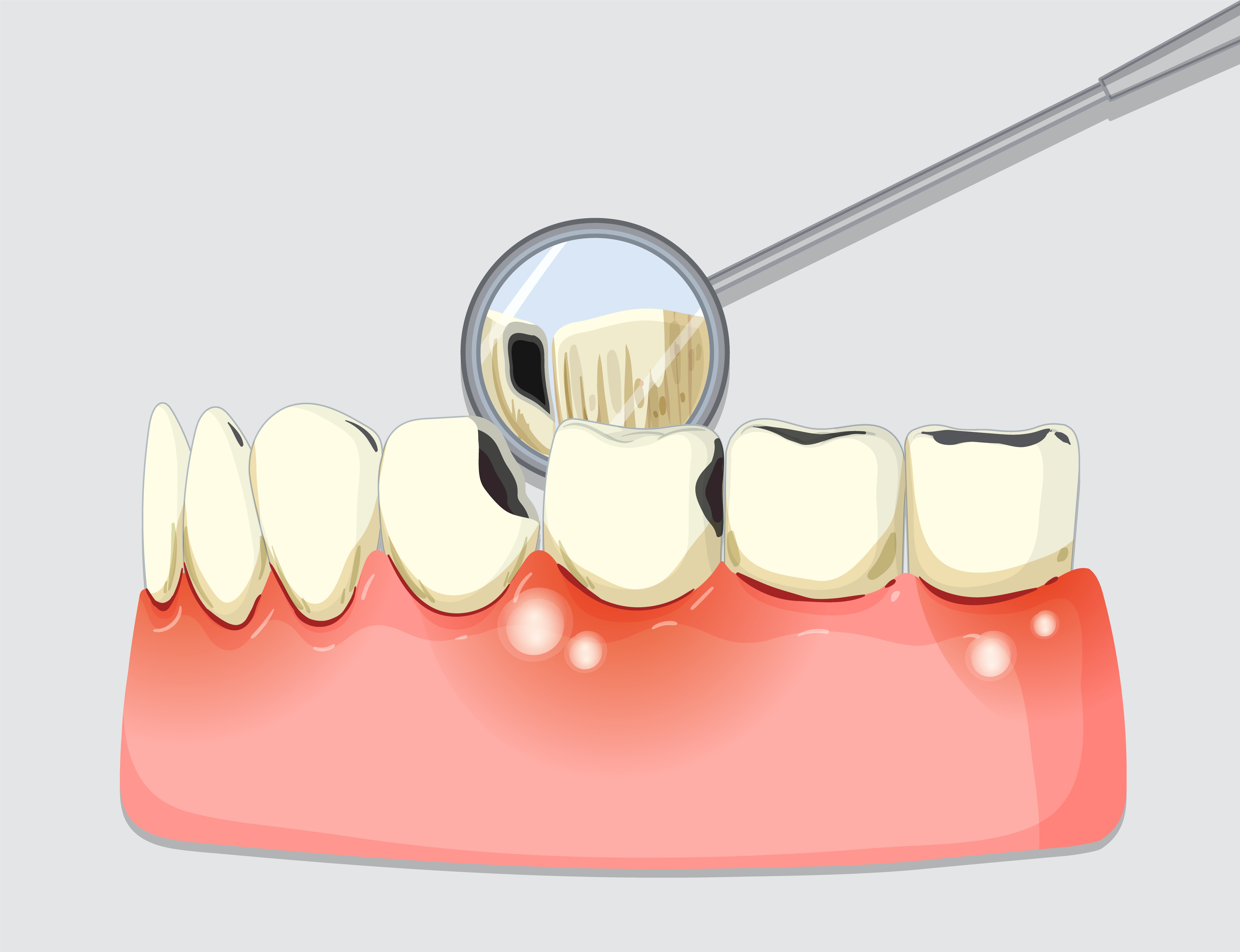
Do you ever wonder what’s appearing on your teeth after skipping a brush or taking meals or even after drinking? That sticky, colorless film might just be dental plaque, a common cause behind cavities, bad breath, and gum issues. While it sounds scary, understanding it is the first step to get a healthier, cleaner smile. Whether you’re new to oral hygiene or a seasoned pro, this guide covers everything from the classification of dental plaque to how to remove tartar from teeth naturally.
What Is Dental Plaque?
Dental plaque is a soft, sticky coating of plaque near the gumline made up of bacteria, saliva, and food particles that constantly forms on your teeth. If not removed by regular brushing and flossing, it can harden into tartar (calculus) and lead to gum disease, tooth decay, and even tooth loss.
What Is Tooth Plaque Made Of?
Dental plaque is composed of:
Bacteria (mostly Streptococcus mutans and other harmful strains)
Saliva
Food particles, especially sugars, starches and carbohydrates
These elements combine into a thin, sticky layer of bacteria that sticks to teeth. The bacteria feed on sugar and carbohydrates and produce acids that break down enamel which appear as white stains on teeth and lead to cavities.
Classification of Dental Plaque
There are two main classifications of dental plaque, depending on where it forms:
Supragingival Plaque: Found above the gum line, usually along the tooth surface and gum margins. This type is visible and easier to remove.
Subgingival Plaque: Forms below the gum line. It is more harmful and harder to clean, often causing gum disease.
Plaque vs. Tartar vs. Calculus
It’s very confusing which plaque, tartar, and calculus, but they’re different stages of the same problem:
Plaque is the first soft, sticky coating of plaque near the gumline
If not cleaned, plaque hardens into tartar (also called calculus).
The difference between plaque and tartar is that plaque is soft and removable by brushing, while tartar is hard and needs professional cleaning.
Let’s clarify the difference between plaque and tartar (also called calculus):
Aspect | Plaque | Tartar |
Texture | Sticky & soft | Hard & coated |
Removal | Brush & floss | Professional cleaning only |
Appearance | Colorless to pale | Off-white, yellow, or brown |
Over time, plaque turns into tartar, especially near the gum line. This hardened form can trouble more bacteria and even cause tartar breaking off teeth, which signals advanced buildup.
✅ Quick Fact: The difference between plaque and calculus is mainly in texture and removability. Calculus is a hardened plaque. |
Why Is Plaque a Problem?
If ignored, plaque can:
Lead to cavities
Cause permanent white stains on teeth
Cause gum inflammation (gingivitis)
Harden into tartar
Cause worsen bad breath
Common Dental Concerns Related to Plaque and Tartar
1. Can Tartar Cause Bad Breath?
Yes. Tartar causes bad breath by holding smell-causing bacteria in your mouth.
2. White Stains on Teeth
Ever noticed those chalky white spots on teeth? They often signal early tooth decay due to plaque buildup or overuse to fluoride.
3. Tartar Breaking Off Teeth
If you’ve noticed bits chipping off your teeth, that could be tartar breaking off teeth. It might feel like small, hard pieces and indicates a need for dental cleaning.
Symptoms and Causes of Dental Plaque
Common Signs You Have Plaque:
Lasting bad breath
Swollen, bleeding gums
That “fuzzy” feeling when you rub your tongue across your teeth
What Causes Plaque Buildup?
The main problems of plaque buildup includes:
Poor brushing and flossing habits
Regular intake of sugary or starchy foods (like pasta, bread, soft drinks)
Low saliva flow or dry mouth
Smoking or chewing tobacco
NOTE: Once plaque forms, it only takes 24 to 72 hours to start hardening into tartar strengthening the importance of fast, regular cleaning. |
Diagnosis: How to Know You Have Plaque
If you have doubt that you have plaque, try this:
Run your tongue across your teeth. If they feel “sweater-like,” you probably do.
Use revealing tablets (available at pharmacies) to visually highlight plaque.
Visit your dentist. They can detect plaque, tartar, or white stains on teeth and provide advice on how to remove plaque from teeth naturally.
How to Remove Plaque and Tartar From Teeth
Natural Ways to Remove Plaque and Tartar
Want to know how to remove plaque from teeth naturally or how to remove tartar from teeth naturally at home? Here are some proven effective methods:
Brushing Twice Daily: Use a plaque toothpaste containing fluoride to help remove bacteria effectively.
Oil Pulling: Rinse coconut oil in your mouth for 10–15 minutes to reduce plaque-causing bacteria.
Baking Soda Paste: A gentle scrub with baking soda and water can neutralize acids and reduce plaque.
Aloe Vera and Glycerin Mix: A natural remedy for plaque control, this mix can be used as a natural mouth rinse.
Flossing and Using Interdental Brushes: Mainly helpful as a teeth gap cleaner to reach plaque between teeth.
Plaque Control Tips
Keeping plaque away is easier than you think. Follow these tips for effective plaque control:
Brush for at least 2 minutes, twice a day
Floss daily to clean areas your brush can’t reach
Use an antibacterial mouthwash
Drink water after meals to rinse your mouth
Visit your dentist twice a year for professional cleaning.
Professional Dental Treatments
When natural methods are not enough, dentists offer professional options to remove tartar from teeth:
Scaling: Removes hardened tartar using specialized tools by dentist
Polishing: Smoothens tooth surfaces to prevent future plaque buildup
Fluoride Treatment: Strengthens enamel and reduces decay risk of teeth.
Conclusion
Understanding the nature of dental plaque and how to manage it is key to long-term oral health. Whether it’s knowing the difference between plaque and tartar or learning how to remove white spots on teeth, staying informed puts you in control of your smile. With a few regular following habits and regular dental visits, you can say goodbye to plaque and hello to fresh, clean, confident teeth.